

The 2025–26 UEFA Champions League Round of 16 is the most anticipated knockout round in years. Real Madrid vs. Manchester City at the Santiago Bernabéu. PSG vs. Chelsea at Parc des Princes – a rematch of the FIFA Club World Cup final where Chelsea stunned the reigning European champions 3-0 at MetLife Stadium in New Jersey last July. Barcelona vs. Newcastle at St. James’ Park. Atlético Madrid vs. Tottenham. Atalanta vs. Bayern Munich. Eight elite ties, 16 of the best clubs in the world, and a nine-day window – March 10 through 18 – that has the entire football world riveted.
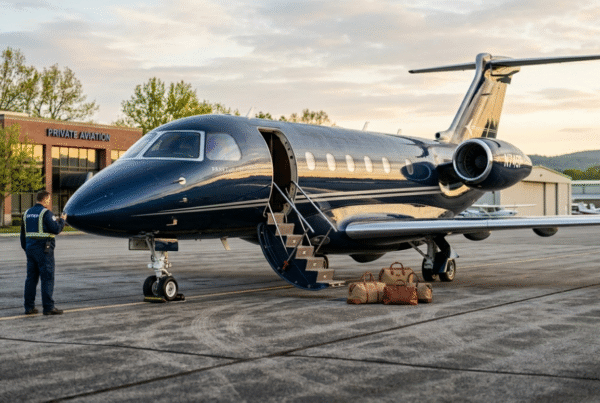
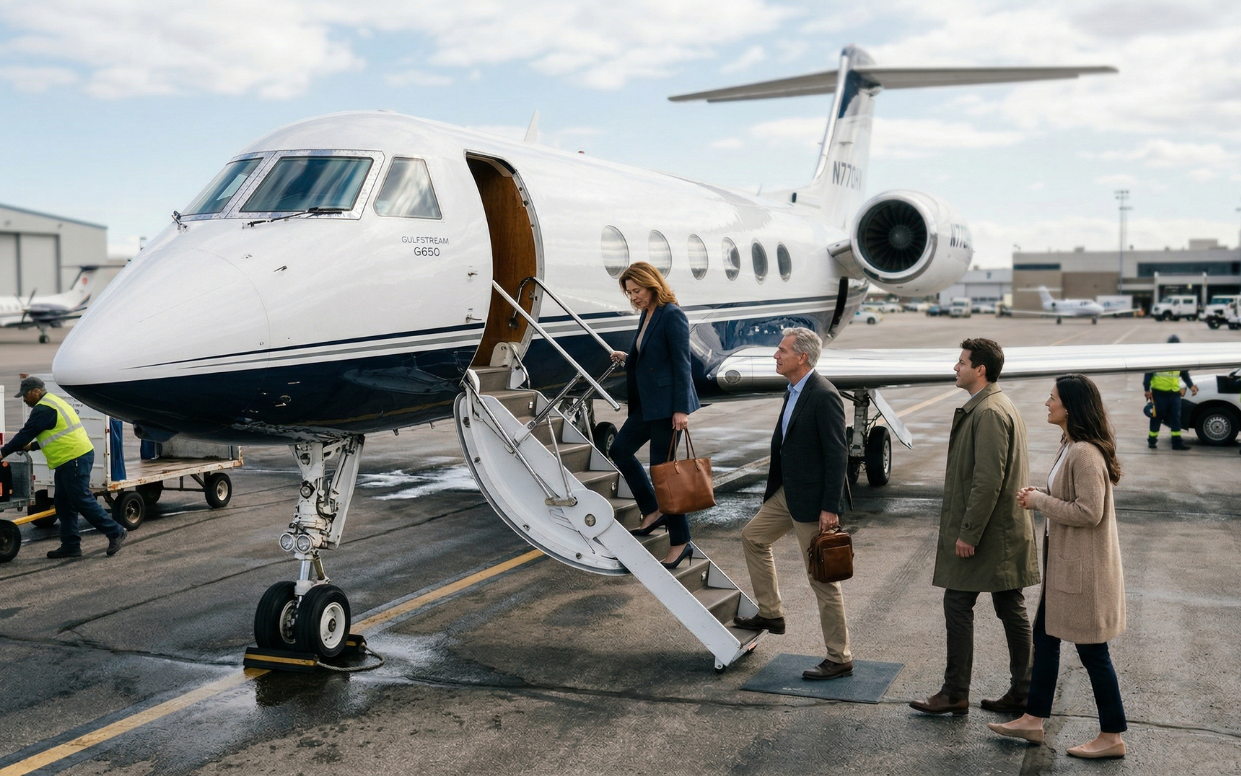
For the people who own private jets, Champions League travel is not watching from a couch. It is a logistical operation involving aircraft positioning, European ramp exposure, tight turnaround windows, and the expectation that every detail of the travel experience matches the prestige of the event itself.
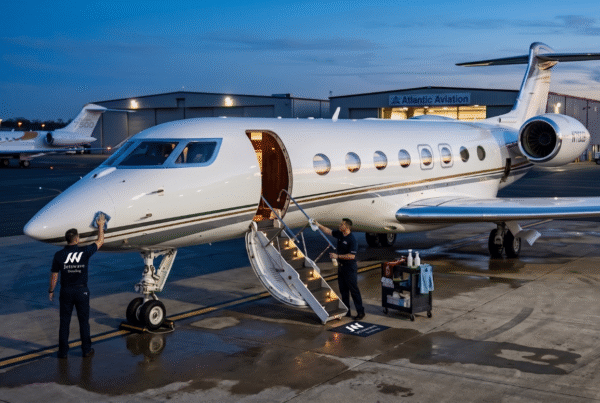
At Jetswave Detailing, we serve private jet owners across all 8 Northeast states – Massachusetts, New York, New Jersey, Connecticut, Maine, New Hampshire, Rhode Island, and Vermont. This is our aircraft detailing breakdown of how the people who fly private travel to Champions League matches, what those trips do to their aircraft, and what needs to happen before and after every major international departure.
Who Actually Flies Private to Champions League Matches
The popular image of Champions League private jet travel is a footballer stepping off a Gulfstream onto a red carpet. That happens. But it represents a fraction of the private aviation activity around any given Champions League fixture.
The much larger audience – and the one that matters for private jet detailing services like Jetswave – is the network of ownership, investment, and sponsorship that surrounds elite football clubs at this level.
Club owners and co-investors fly private to Champions League away matches as a matter of course. The ownership structures of modern elite football clubs routinely include American investment groups, Middle Eastern sovereign wealth funds, and European private equity stakeholders – all of whom have their own aircraft and attend marquee fixtures in person. For this Round of 16 specifically, the ownership and investor networks connected to clubs like Chelsea, Manchester City, PSG, Barcelona, and Real Madrid are among the wealthiest in world sport.
Player agents and representatives travel privately to high-stakes matches when their clients are involved. During a Champions League knockout round, a single match outcome can shift transfer valuations, contract negotiations, and commercial deals by millions. Agents at this level do not fly commercial.
Corporate sponsors with VIP hospitality packages fly their most important clients to major Champions League fixtures. For a tie like Real Madrid vs. Manchester City – which has been described as a rivalry defined by over a decade of Champions League encounters – the corporate hospitality demand is exceptional. The sponsors of both clubs span global industries, and their senior client entertainment frequently involves private aviation.
High-net-worth fans are the final segment – and a growing one. Private jet charter companies report consistent demand spikes around Champions League knockout ties, particularly the Round of 16, quarterfinals, and final. These are wealthy individuals for whom attending a match like PSG vs. Chelsea in Paris is worth the cost of a transatlantic or intra-European private flight. For US-based HNW individuals, the PSG vs. Chelsea rematch carries a specific emotional charge – the first leg is at Parc des Princes, but Chelsea’s Club World Cup victory over PSG happened right here at MetLife Stadium in New Jersey. That connection makes this tie particularly compelling to affluent American football fans.
All of these travelers have one thing in common: their aircraft are being flown to European destinations this week, and they will be returning within 24 to 72 hours. Which brings us to the most important question for jet owners: what does a Champions League trip actually do to your aircraft?
The PSG vs. Chelsea Rematch – and Why New Jersey Matters
To understand why the PSG vs. Chelsea Champions League tie has unusual significance for Northeast private jet owners, you need the full context.
Last July, the 2025 FIFA Club World Cup final was played at MetLife Stadium in East Rutherford, New Jersey. Chelsea beat PSG 3-0 in what became one of the most dramatic results in recent football history. Cole Palmer scored twice in a dominant first-half performance. PSG, who had beaten Real Madrid 4-0 in the semifinal and entered as overwhelming favorites, were outplayed entirely. The match was watched by an audience of hundreds of millions globally.
MetLife Stadium is the same venue hosting the 2026 FIFA World Cup final on July 19, 2026 – three and a half months from now. The New York and New Jersey private aviation market is already building toward that event. But the PSG vs. Chelsea Champions League rematch this month is a reminder of something more immediate: the Northeast is already the epicenter of elite football-connected private aviation.
The PSG ownership network, the Chelsea investment group, the brands that sponsored both clubs through the Club World Cup, and the HNW fan base that traveled to New Jersey for that final – many of them based in the Northeast – are all paying close attention to this Champions League rematch. And many of them are moving aircraft this week.
For Jetswave, that means pre-trip and post-trip detailing demand that is unusually concentrated in a very short window across our Northeast service area.
What a Champions League Trip Does to Your Aircraft
Private jet owners who travel frequently for business often underestimate what a European Champions League trip specifically does to their aircraft. This is not a domestic hop. The combination of transatlantic flight duration, European ramp exposure, and high-use cabin conditions creates a very particular type of wear that requires a structured detailing response.
Exterior Contamination on European Ramps
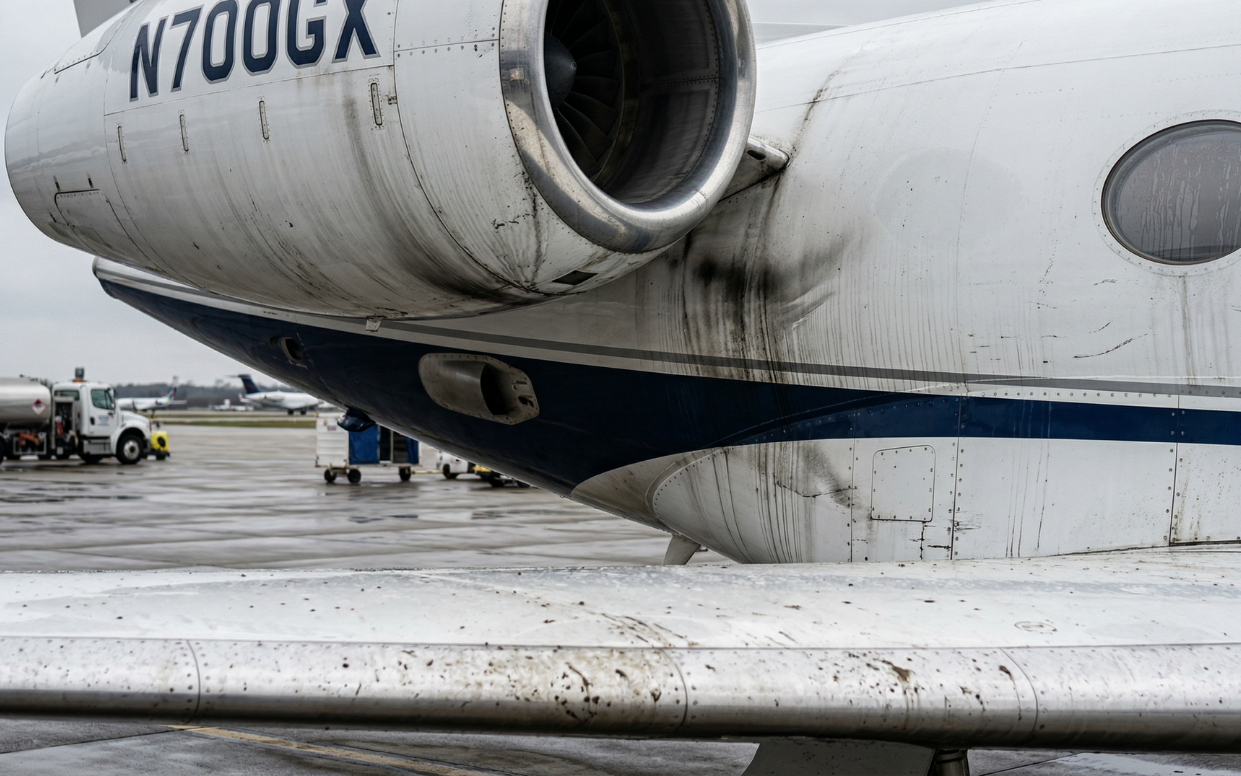
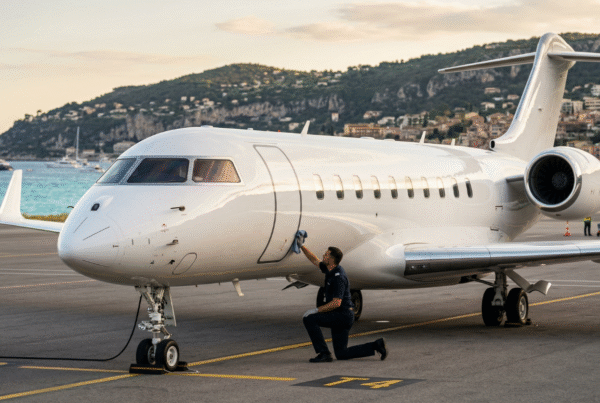
When a private jet sits on a European airport ramp for 24 to 48 hours, it accumulates contamination that is meaningfully different from what builds up at a Northeast FBO. European airports – particularly the major international hubs like Adolfo Suárez Madrid-Barajas, Charles de Gaulle, and Barcelona-El Prat – have extremely high traffic density. Ground equipment exhaust, jet blast from neighboring departures, and the general atmospheric pollution of large urban airports settle on every horizontal surface of a parked aircraft.
Add to that the specific weather conditions of March in Madrid or Paris – rain, humidity, ground mist – and an aircraft that sits through a match day and overnight is returning with a significantly dirtier exterior than it left with. Salt particulates near coastal airports like Barcelona compound this effect. And if the aircraft was parked facing west into prevailing Atlantic weather systems during an overnight stop, the leading edges and windscreen will show it.
Post-trip wet wash is not cosmetic maintenance. It removes contamination that, left in place over subsequent flights, begins bonding to the paint surface. Bonded contamination requires significantly more aggressive treatment to remove – and in some cases causes permanent dulling of the painted finish.
Cabin Wear During Long-Haul Transatlantic Flights
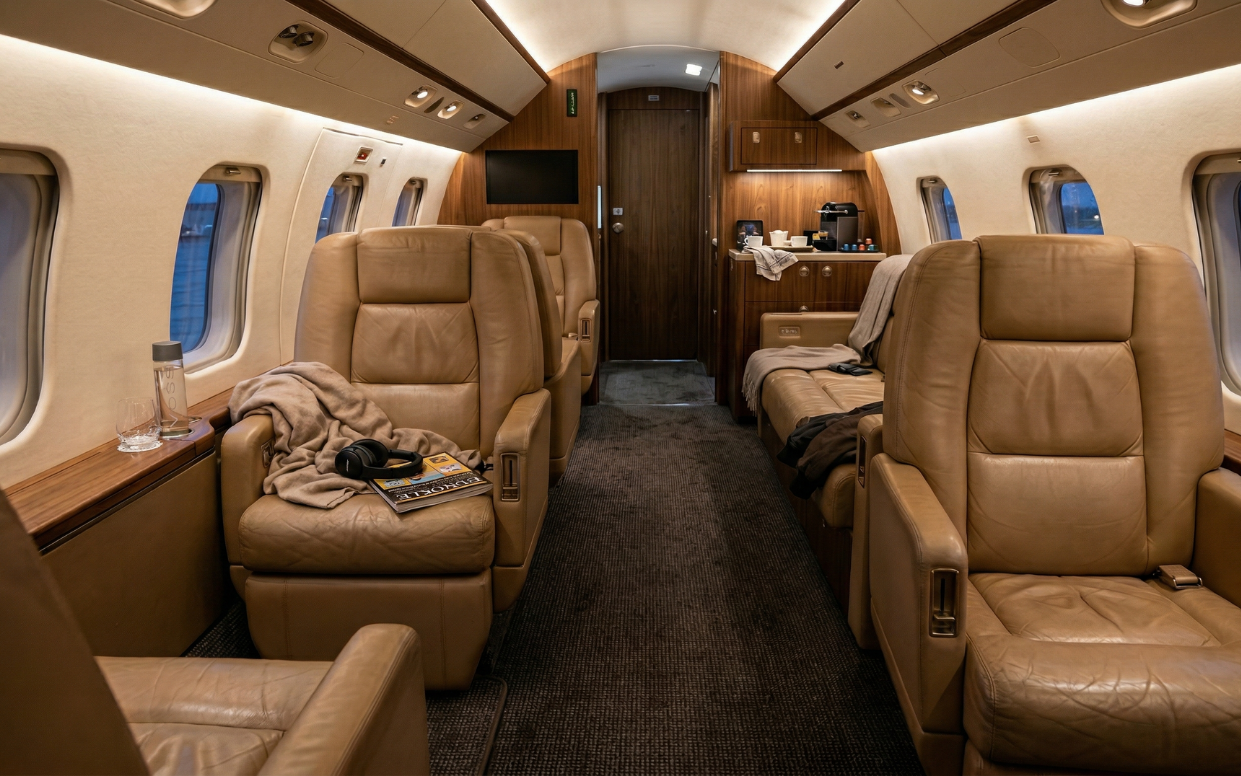
A transatlantic flight from the Northeast to Madrid or Paris takes approximately 7 to 8 hours. In those 8 hours, a fully occupied private jet cabin experiences its entire inventory of wear mechanisms simultaneously.
Leather seats absorb body heat and oils across 7+ hours of continuous use. The low-humidity environment of cruise altitude – cabin humidity typically runs between 10% and 20% on long flights – accelerates moisture loss from untreated leather. Carpets receive sustained foot traffic from passengers moving through the cabin. The galley is used repeatedly for meals and service. The lavatory receives sustained use from multiple passengers across multiple hours. Windows accumulate cabin condensation and handprints.
By the time the aircraft lands at its European destination, the cabin interior has experienced what amounts to 7 hours of continuous use across every surface simultaneously. After the return trip – another 7 to 8 hours in the opposite direction – the cumulative effect is substantial. A cabin that departed the Northeast in pristine condition will return needing a full reset before the next departure.
This is not a criticism of how aircraft are used. It is simply what happens when a high-quality, high-use environment operates as intended. The solution is not to use the aircraft less. It is to build a consistent detailing cycle that resets the aircraft after every major international trip.
Pre-Trip vs. Post-Trip: Why Both Details Matter
Most private jet owners think about detailing before the trip. The aircraft should look perfect when guests board. That logic is correct – but incomplete.
Post-trip detailing is equally important, for reasons that are both cosmetic and structural.
On the exterior, the contamination picked up during European ramp exposure begins bonding to the paint surface within 48 to 72 hours if not removed. A jet that returns from Madrid on a Thursday and isn’t detailed until the following Monday has given that contamination four days to set. What could have been removed with a standard wet wash now requires decontamination treatment – a longer, more intensive process. Over months and years, this pattern of deferred post-trip cleaning is one of the primary contributors to premature paint degradation on frequently traveled private jets.
On the interior, the specific concern is moisture. The galley and lav both introduce moisture into the cabin during use. Carpets absorb moisture from passenger foot traffic, spilled beverages, and general humidity changes during the flight. If that moisture is not extracted through proper carpet cleaning within a reasonable timeframe after landing, it begins to affect the underlying carpet substrate and, in severe cases, the flooring structure beneath. Mold and mildew in aircraft carpet are expensive problems that start with deferred post-trip cleaning.
The smartest approach for Champions League travel – or any pattern of regular international flying – is a standing agreement with a detailing service that covers both departures and returns. At Jetswave, we work with aircraft management companies and individual owners throughout the Northeast to establish exactly this kind of schedule. You tell us your flight schedule. We build the detailing calendar around it.
Why March 2026 Is Unusually Active for Private Aviation
The concentration of Champions League travel in March 2026 is higher than in a typical Round of 16 cycle, for several specific reasons.
First, the match quality is exceptional. Real Madrid vs. Manchester City is arguably the most historically rich Champions League pairing of the modern era – they have met across 15 matches since 2012, with the rivalry producing some of the tournament’s most iconic moments. PSG vs. Chelsea carries the emotional weight of the Club World Cup final rematch. These are not routine knockout ties. They are events that generate premium travel demand from the full ecosystem of ownership, sponsorship, and high-net-worth fandom connected to these clubs.
Second, the Northeast geography is unusually relevant. The Club World Cup was played here. The World Cup final is coming here. The connection between this region and elite European football has never been stronger, and the private aviation activity reflects that.
Third, the compressed schedule – both legs of all ties completing within nine days – concentrates what would otherwise be spread across weeks into a single intense fortnight. Multiple aircraft operating out of the same FBOs, multiple return trips landing in the same airports, all within the same two-week window.
Global private jet flight activity has been on a sustained upward trend throughout early 2026. The US saw nearly 55,000 total private jet departures in the week ending March 1 – a 4% year-over-year increase. The Northeast, as the largest regional concentration of high-net-worth private jet owners in North America, represents a disproportionate share of that activity. March 2026 is a high-demand month. Your aircraft needs to be ready for it.
Frequently Asked Questions
How do Premier League clubs travel to Champions League away games?
For European away matches like the Champions League, Premier League clubs always charter aircraft – the travel distances and scheduling demands make commercial aviation impractical. Clubs like Chelsea, Manchester City, Liverpool, Arsenal, and Newcastle use purpose-chartered aircraft, typically configured for squad needs with medical and recovery equipment, nutritionist-specified catering, and private terminals at both ends. Squad charter is separate from the private jets used by ownership groups, sponsors, and high-net-worth guests, who typically travel on their own aircraft on different schedules.
Do private jet owners fly to Champions League matches?
Yes and in significant numbers. The ownership, investment, and sponsorship networks connected to elite Champions League clubs generate substantial private aviation demand around major fixtures. For ties like Real Madrid vs. Manchester City or PSG vs. Chelsea, the ownership and investor groups at both clubs include US-based, European, and Middle Eastern principals who travel on their own or chartered aircraft. Corporate sponsors with VIP hospitality packages also move senior clients privately to marquee fixtures.
What airports do private jets use near Paris for PSG matches?
For private aviation traveling to PSG matches at Parc des Princes, the primary options are Paris Le Bourget Airport (LFPB) – the dedicated business aviation airport north of Paris and the preferred FBO hub for private jets – and Paris Orly (LFPO) for certain larger aircraft or overflow situations. Charles de Gaulle (LFPG) handles private aviation but is significantly less preferred due to commercial congestion. Le Bourget is approximately 25 minutes from the Parc des Princes by car and has multiple FBO facilities with VIP lounges and expedited customs processing.
How do you detail a jet after a transatlantic flight?
A proper post-transatlantic detail covers both exterior and interior. Exterior: full wet wash to remove European ramp contamination, decontamination treatment for any bonded residue, brightwork inspection and touch-up polish, and protective wax reapplication. Interior: leather cleaning and re-conditioning (low-humidity flight conditions accelerate leather moisture loss), carpet extraction or dry clean depending on use, full galley and lav sanitation, surface wipe-down of all panels and trim, and window cleaning inside and out. At Jetswave, this is our standard post-international service. We work around your return schedule so the aircraft is reset before the next departure.
How much does aircraft detailing cost in the Northeast?
Aircraft detailing pricing varies based on aircraft size, service scope, and frequency. A complete exterior and interior detail for a light jet typically ranges from $800 to $1,400. Midsize jets run $1,200 to $2,200. Large-cabin jets and ultra-long-range aircraft range from $2,000 to $4,000 or more for a full service. Mobile service is included in our pricing – we come to your aircraft at your FBO or ramp location across all 8 Northeast states. Contact Jetswave for a custom quote based on your specific aircraft and service needs.
Book Your Aircraft Detailing Service – Northeast Coverage
The Champions League Round of 16 second legs are on March 17 and 18. If your aircraft is returning from Europe this week or next, your post-trip reset should happen within 48 hours of landing. If you’re departing for the second legs, pre-departure detailing needs to be scheduled now.
Beyond this month, the aviation calendar ahead is the most demanding the Northeast has seen in years. Champions League quarterfinals in April. The UEFA final in Budapest on May 30. The FIFA World Cup opening on June 11 with the final at MetLife Stadium on July 19.
Your aircraft is going to be used hard between now and August. The owners and operators who treat aircraft maintenance – including detailing – as a proactive, scheduled discipline rather than a reactive cleanup will arrive at every destination in the right condition.
Jetswave Detailing serves private jet owners across Massachusetts, New York, New Jersey, Connecticut, Maine, New Hampshire, Rhode Island, and Vermont. We are fully mobile, FAA-compliant, licensed, and insured. We schedule around your flight operations and deliver a complete exterior and interior detail at your ramp location.
📞 +1 (857) 313-1355 ✉️ info@jetswavedetailing.com 🌐 jetswavedetailing.com
The Bottom Line
Real Madrid vs. Manchester City. PSG vs. Chelsea. These are not just football matches – they are events that move aircraft, ownership networks, sponsor ecosystems, and high-net-worth travelers across the Atlantic on a compressed schedule. The private jets carrying these passengers are experiencing the full cycle of transatlantic wear: European ramp contamination, long-haul cabin use, and the specific post-trip condition that requires a structured detailing response.
Whether your aircraft traveled for the first legs this week or is preparing for the second legs on March 17 and 18, the detailing requirement is the same: a complete, professional, FAA-compliant service delivered at your location, on your schedule, by a team that understands what international private jet travel demands.
That is what Jetswave delivers. Across the entire Northeast. Every time.
Jetswave Detailing provides professional private jet detailing and aircraft cleaning services across Massachusetts, New York, New Jersey, Connecticut, Maine, New Hampshire, Rhode Island, and Vermont. FAA-approved products. Fully licensed and insured. Mobile service delivered directly to your aircraft.